
Lyme disease is often described as a complex, multi-system illness—and for good reason. Caused primarily by the bacterium Borrelia burgdorferi, Lyme doesn’t just affect one part of the body. It can disrupt the immune system, inflame joints, impair neurological function, and leave many people struggling with persistent symptoms even after standard treatment. Because of this complexity, more patients and practitioners are exploring therapies that go beyond symptom management and aim to address underlying causes. One such approach gaining attention is laser therapy.
Understanding the Root Causes of Lyme Disease
To understand how laser therapy may help, it’s important to first look at what makes Lyme disease so difficult to treat. The bacteria associated with Lyme are highly adaptive. They can change form, hide within tissues, and even form protective layers known as biofilms. These biofilms act like shields, making it harder for the immune system—and sometimes antibiotics—to fully eliminate the infection.
In addition to the infection itself, Lyme disease often triggers widespread inflammation, immune system dysregulation, and toxin buildup. Many of the lingering symptoms people experience—such as fatigue, joint pain, and brain fog—are tied not only to the bacteria but also to these secondary effects on the body.
What Is Laser Therapy?
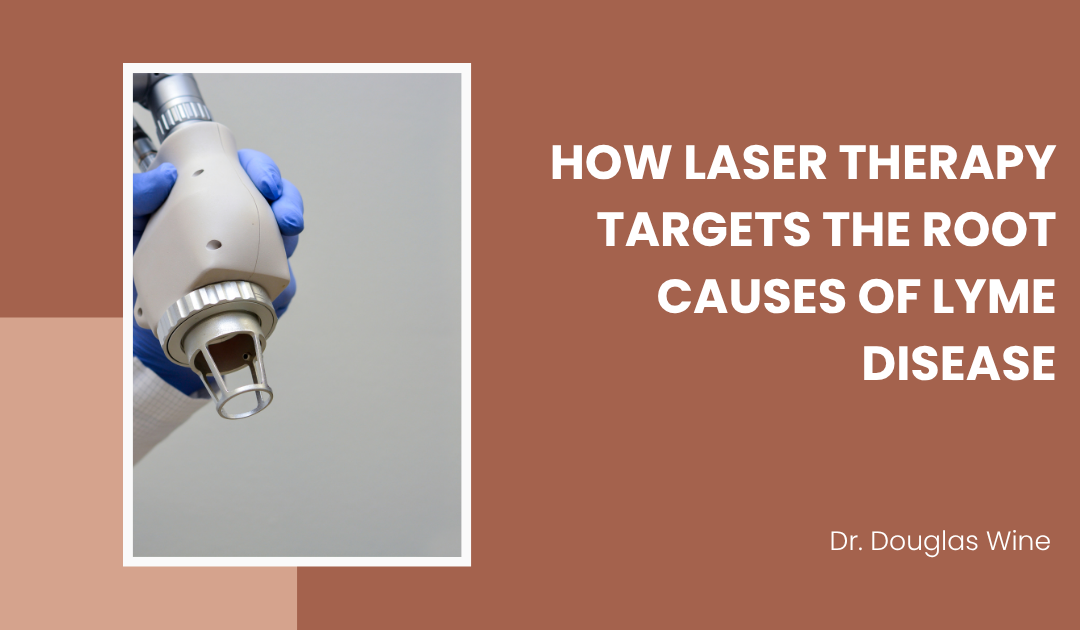
Laser therapy, sometimes referred to as low-level laser therapy (LLLT) or photobiomodulation, uses specific wavelengths of light to stimulate cellular activity. Unlike surgical lasers, this form of therapy is non-invasive and does not generate heat that damages tissue. Instead, it works at the cellular level to support healing and restore balance.
The idea behind laser therapy is simple: light energy is absorbed by cells, particularly within the mitochondria (the “powerhouses” of the cell). This process can enhance energy production, improve circulation, and promote tissue repair.
Targeting Bacteria and Biofilms
One of the most intriguing aspects of laser therapy in the context of Lyme disease is its potential to disrupt bacterial environments. While research is still evolving, certain wavelengths of light appear to weaken biofilms and make bacteria more vulnerable.
By breaking down these protective layers, laser therapy may help expose hidden bacteria, allowing the immune system to recognize and respond more effectively. This doesn’t necessarily replace traditional treatments but may complement them by addressing one of the key barriers to recovery.
Supporting the Immune System
A well-functioning immune system is essential for overcoming Lyme disease, yet many patients experience immune dysfunction. Laser therapy has been shown in some studies to modulate immune responses—helping to calm overactive inflammation while supporting the body’s natural defenses.
This balancing effect is particularly important because Lyme disease can push the immune system into extremes. Some individuals experience chronic inflammation, while others struggle with a weakened response that allows infections to persist. By encouraging regulation rather than suppression, laser therapy aims to bring the system back into equilibrium.
Reducing Inflammation and Pain
Inflammation is at the core of many Lyme-related symptoms. Joint stiffness, muscle aches, and nerve pain are often driven by inflammatory processes that linger long after the initial infection. Laser therapy has been widely studied for its anti-inflammatory effects and is commonly used in physical therapy and pain management.
By increasing blood flow and reducing inflammatory markers, laser therapy can help relieve discomfort and improve mobility. For many patients, this means not just temporary relief but a gradual improvement in overall function.
Enhancing Detoxification and Cellular Repair
Another key aspect of Lyme disease is the buildup of toxins—both from the bacteria themselves and from the body’s response to infection. When cells are under stress, detoxification pathways can become sluggish, contributing to fatigue and cognitive issues.
Laser therapy supports cellular repair and may enhance the body’s natural detox processes by improving circulation and lymphatic flow. Healthier cells are better equipped to eliminate waste and recover from damage, which is essential for long-term healing.
A Complementary Approach, Not a Cure-All
It’s important to approach laser therapy with realistic expectations. While it offers promising benefits, it is not a standalone cure for Lyme disease. Instead, it works best as part of a comprehensive treatment plan that may include medical care, nutritional support, and lifestyle adjustments.
Each individual’s experience with Lyme is unique, and what works for one person may not work for another. Consulting with a qualified healthcare provider is essential before starting any new therapy.
Looking Ahead
As interest in non-invasive and holistic approaches continues to grow, laser therapy is emerging as a compelling option for those seeking to address the deeper layers of Lyme disease. By targeting bacterial defenses, supporting immune balance, reducing inflammation, and promoting cellular repair, it offers a multi-faceted approach to a complex condition.
While more research is needed to fully understand its long-term impact, the current insights suggest that light-based therapies could play an important role in the future of Lyme disease care—helping patients move closer to meaningful, lasting recovery.